EYFS
Welcome to EYFS at Totley All Saints CE Primary School
At TASS, we are passionate about giving every child the very best start to their learning journey. Our dedicated and experienced staff create a safe, nurturing, and stimulating environment where children can explore, play, and learn with confidence. We value each child’s unique strengths and interests, supporting them through a mix of adult-led, adult-supported, and child-initiated activities. Together, we aim to foster curiosity, independence, and a love of learning from the very beginning.
Curriculum Overview
Within the Early Years Foundation Stage (EYFS) there are seven areas of learning and development. All areas are important and inter-connected.
Prime areas are fundamental, work together, and move through to support development in all other areas.
Personal, Social and Emotional Development
Communication and Language
Physical Development
Specific areas include essential skills and knowledge for children to participate successfully in society.
Literacy
Mathematics
Understanding the World
Expressive Arts and Design
Our curriculum also focuses on the Characteristics of Effective Learning. Children reach out to relate to people and things around them through these characteristics, which are woven through all areas of learning.
Playing and exploring
Active learning
Creating and thinking critically
We base our principles on the four aspects of the EYFS:
A Unique Child
In our Early Years classroom, every day is filled with curiosity, creativity and fun. Whether children are exploring the world around them, making new friends or learning through play, we believe that every child is unique and special. In Reception, we live out our school values of compassion, justice, forgiveness, selflessness and generosity every day, helping children to feel safe, confident and valued as learners.
We celebrate and respect the diversity of all children, families and communities. Our inclusive practice ensures that every child feels a strong sense of belonging and is valued for who they are.
We understand that our youngest children are vulnerable and place their safety and wellbeing at the heart of everything we do. By prioritising children’s physical and emotional wellbeing, we create a nurturing environment where they feel secure, happy and ready to learn.
We recognise that children develop in different ways and at different rates. All areas of development are equally important, and we take a holistic approach to learning that supports each child’s individual
Positive Relationships
Positive relationships are at the heart of everything we do in Early Years. We pride ourselves on being a warm, family-focused school where children and families feel known, valued and supported. By building strong, trusting relationships with both children and their families, we develop a deep understanding of each child and what they need next on their learning journey. This close partnership helps us support children as they prepare for their transition into Key Stage 1 and approach new challenges with confidence and resilience.
As we get to know our children well, we build a clear picture of their interests, strengths and what motivates them. This allows us to plan meaningful and engaging learning experiences that children enjoy and feel excited to take part in.
At TASS, we recognise the importance of strong communication between home and school. We use ClassDojo, our online communication app, to share weekly learning across different themes through photos and videos. This helps families stay connected to their child’s learning and celebrate their achievements. Parents and carers are also encouraged to communicate with teachers via the app, strengthening our partnership and ensuring every child feels supported both at home and at school.
Parent Information Booklets
Learning and Development
At Totley All Saints, we believe every child is entitled to high-quality learning and teaching that not only prepares them for school but also sets them up for life.
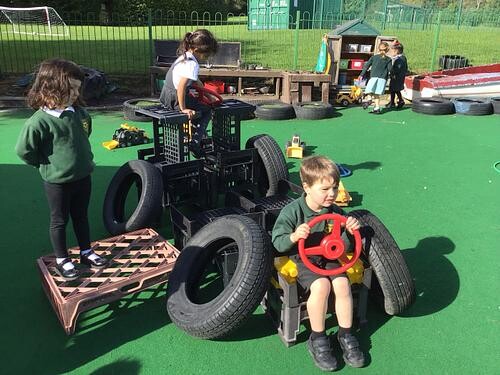
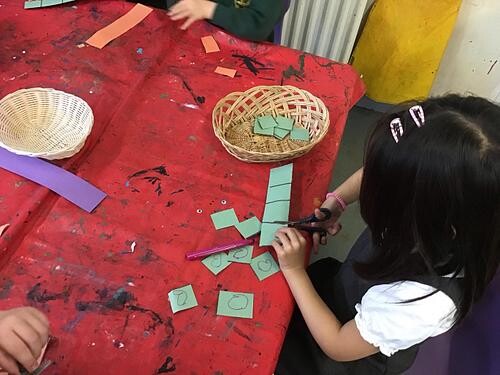
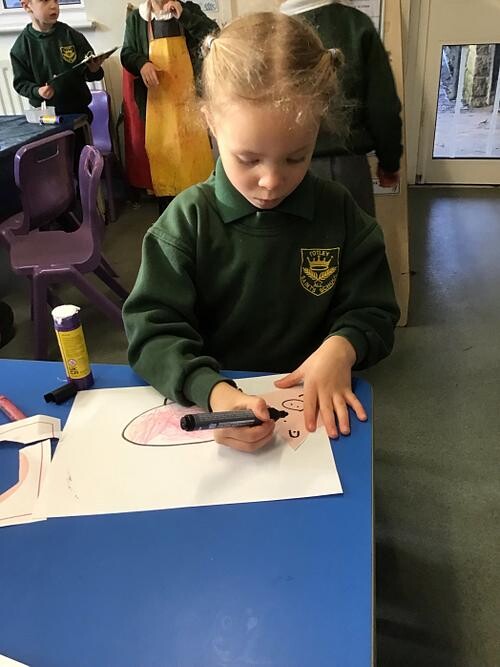
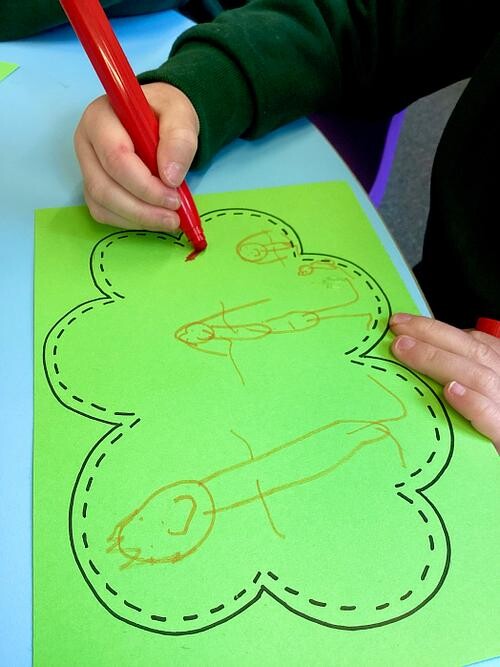
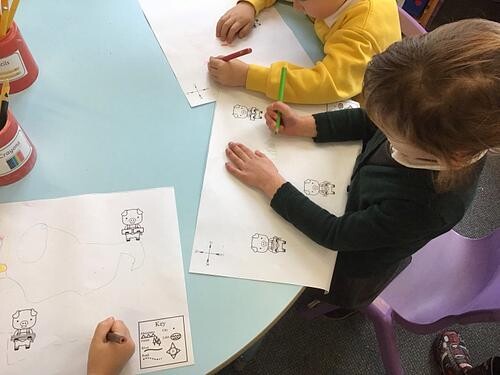
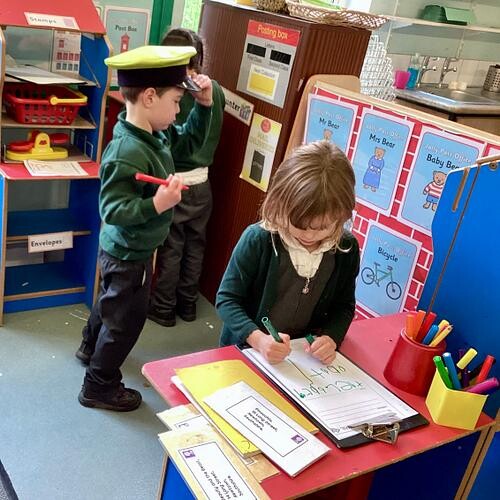
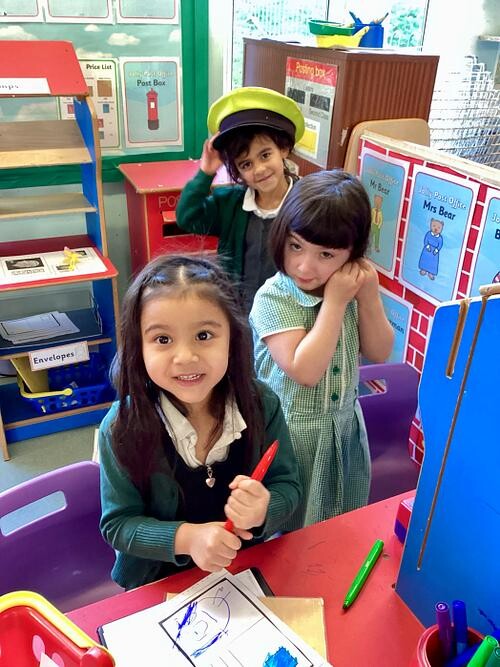
In our Early Years classroom, every day is filled with curiosity, creativity, and fun. Through play, children explore, experiment, and learn at their highest level, enjoying extended time with their friends to discover and develop together.
We pay close attention to each child’s needs and interests, helping them grow across all seven areas of learning and development. Learning is personalised, so every child can progress at their own pace and feel confident in their achievements.
Different areas of learning are approached in ways that best suit the content. For example, maths and phonics are taught step by step, ensuring children build a solid understanding before moving on. Other subjects are explored more holistically, giving children the chance to connect new knowledge with what they already know.
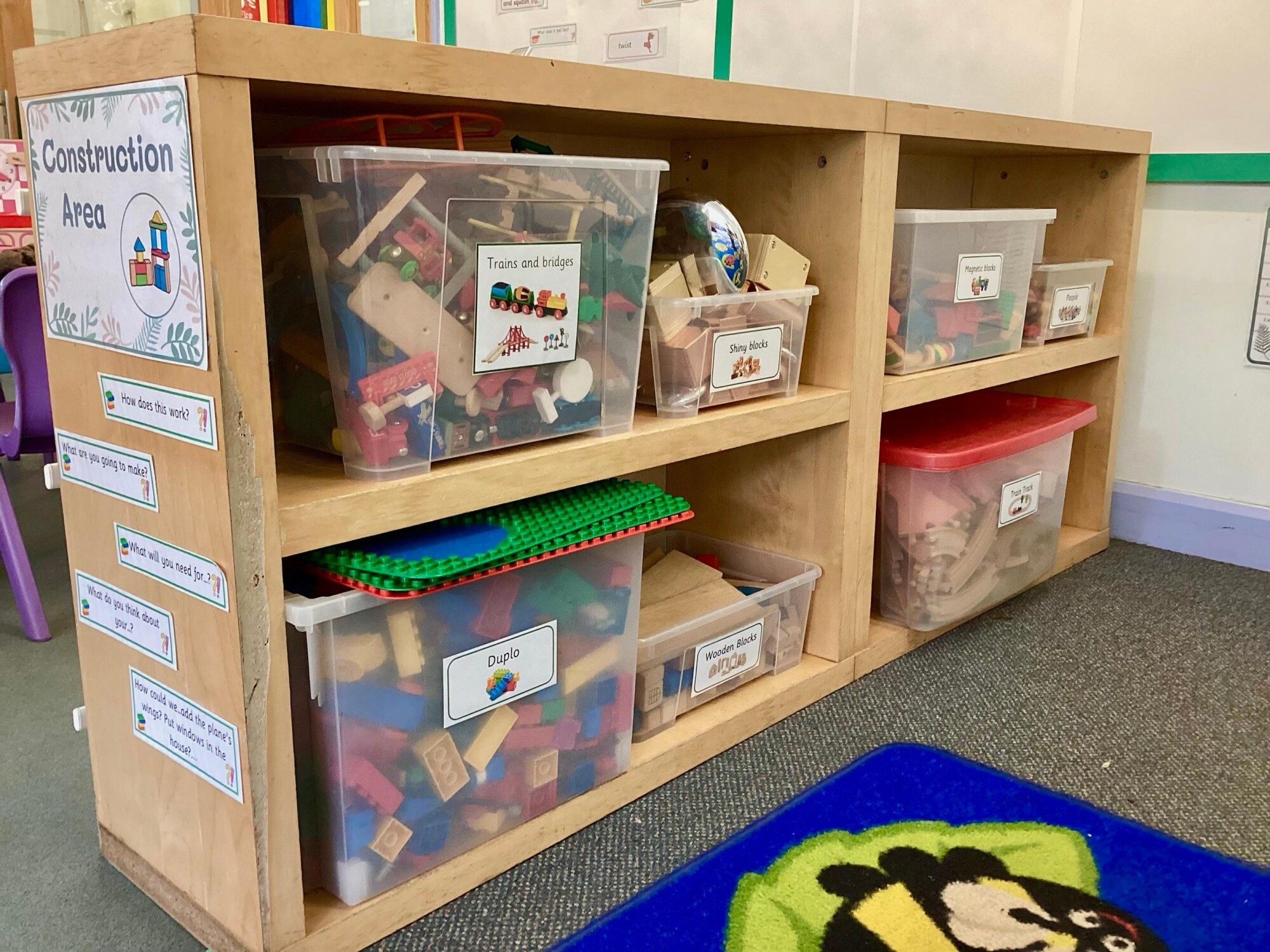
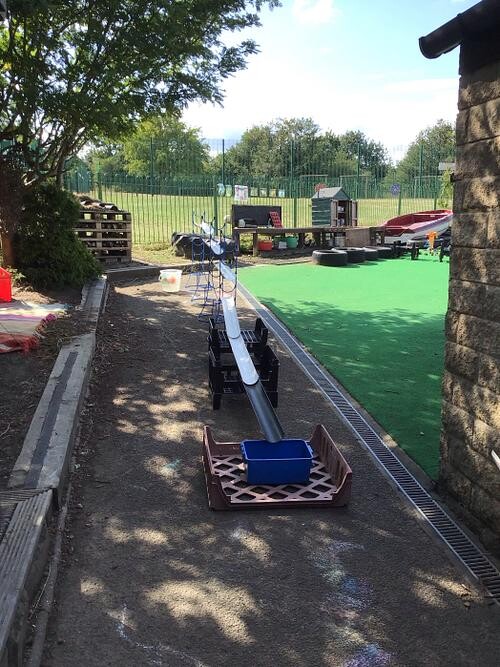
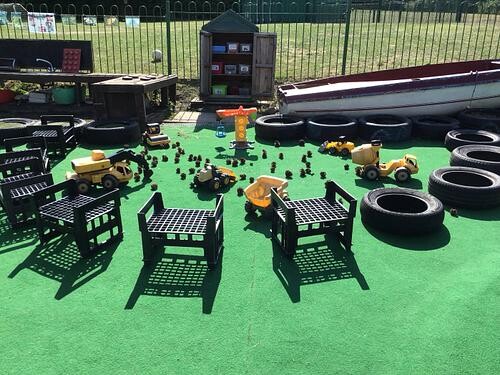
We also know that children learn best when they are active, both physically and mentally. Our classroom provides plenty of opportunities for children to try out ideas in different ways, use a variety of resources, and take on challenges that stretch their thinking.
Enabling environments with teaching and support from adults
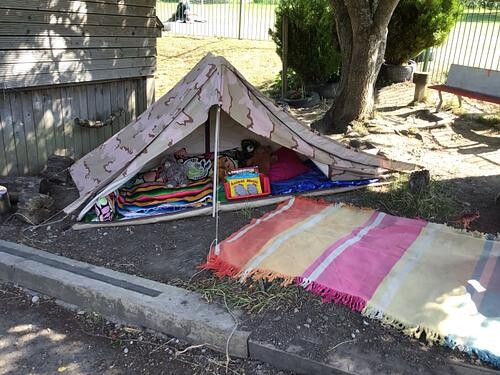
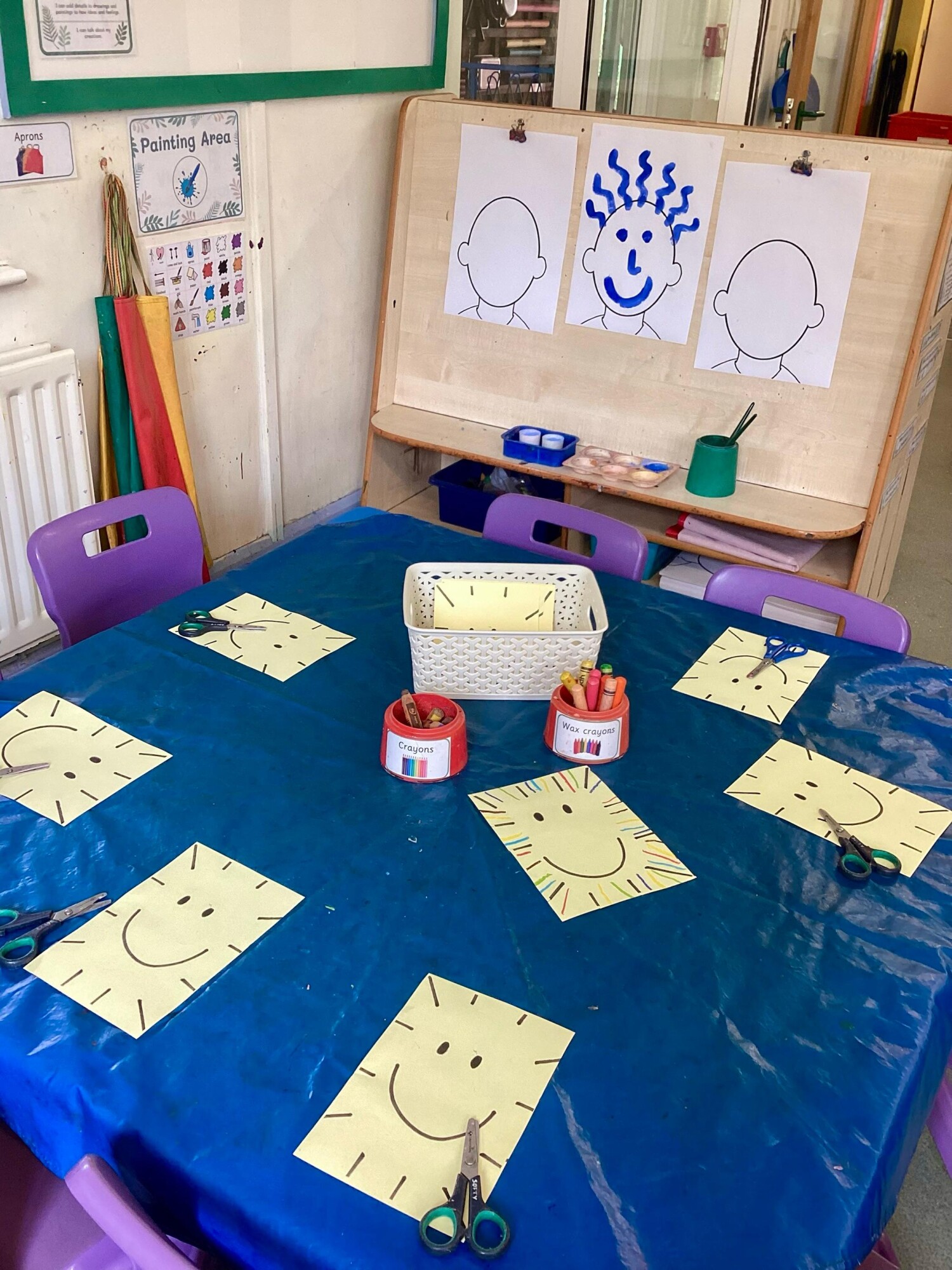
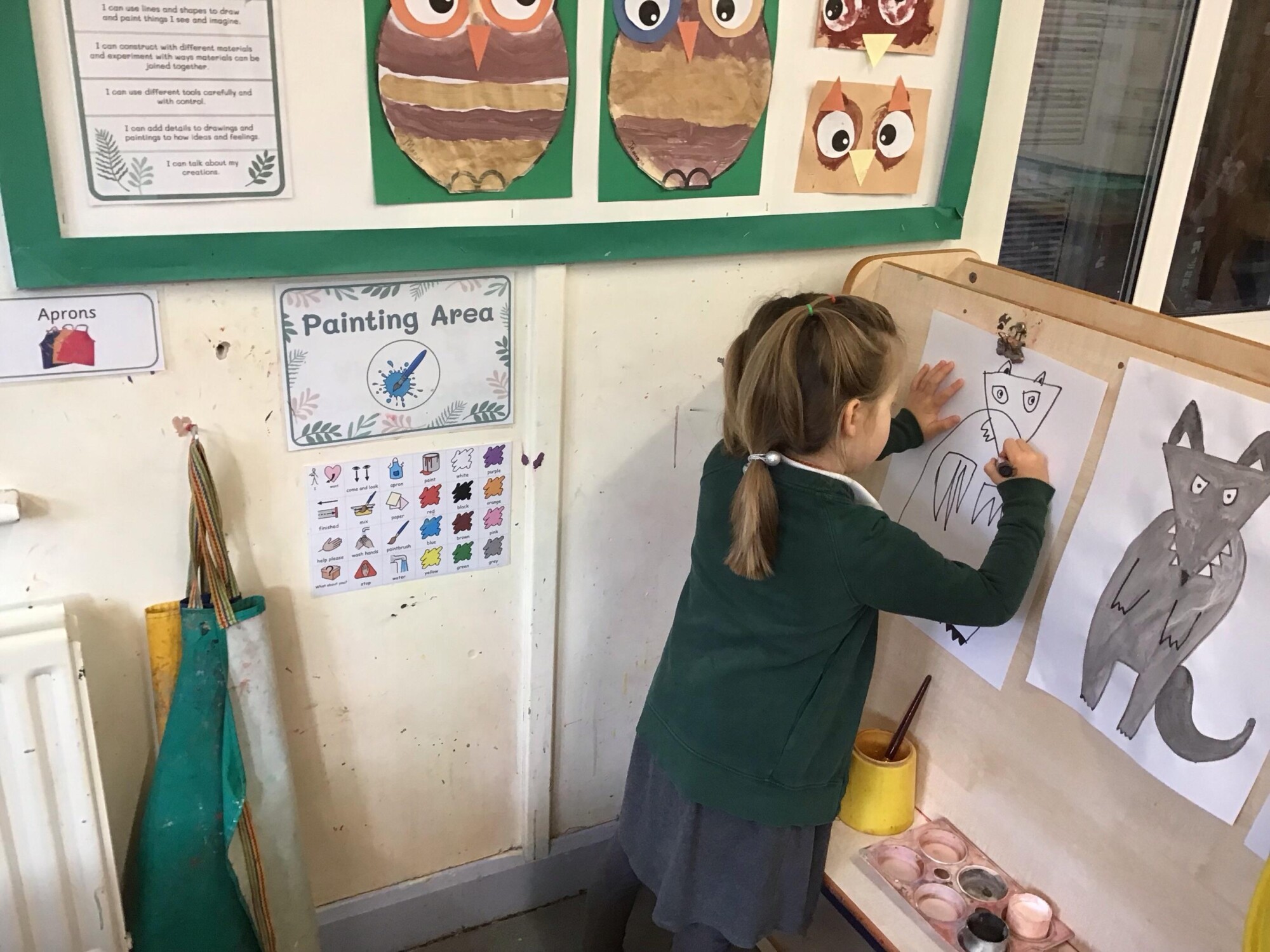
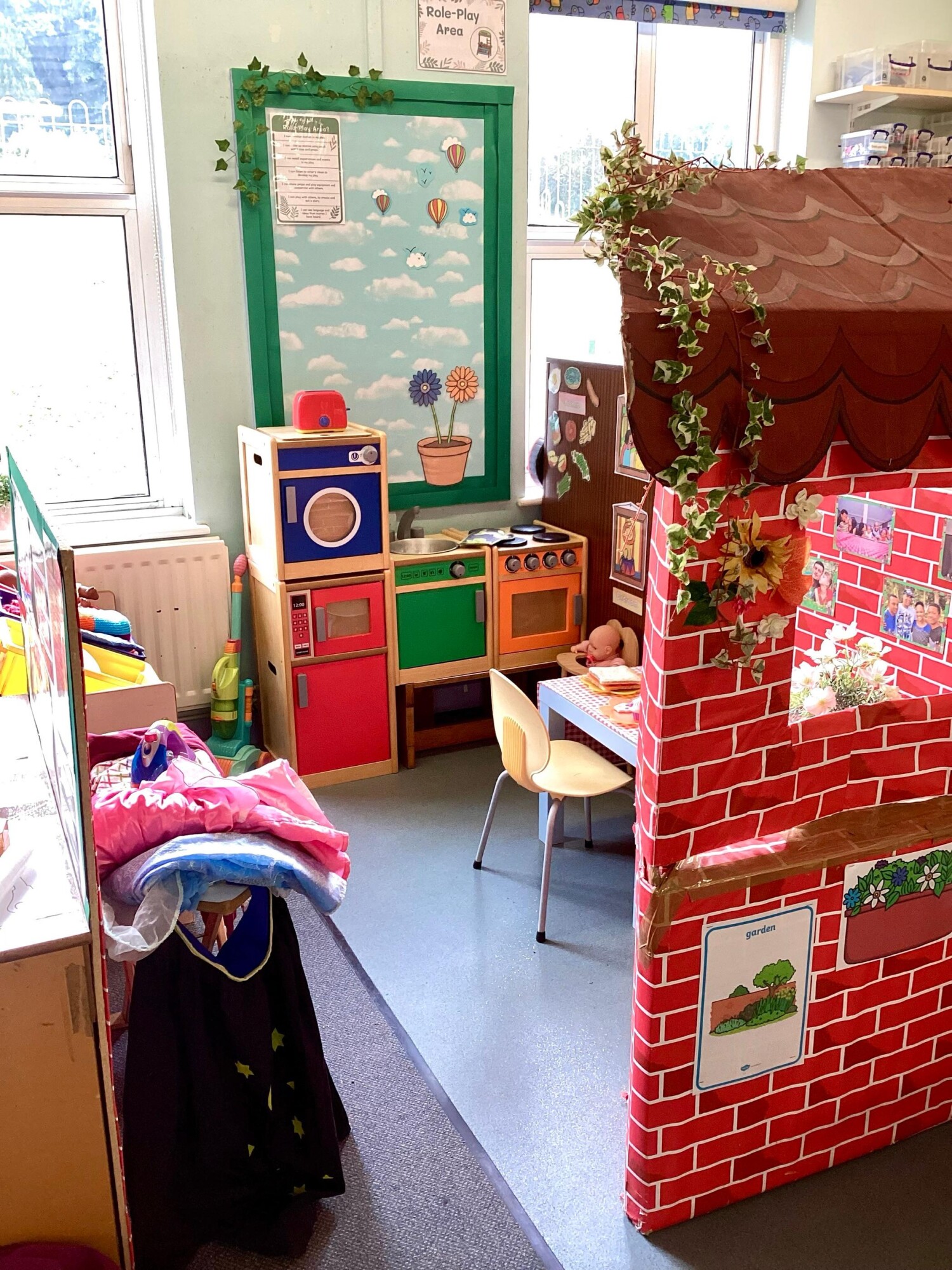
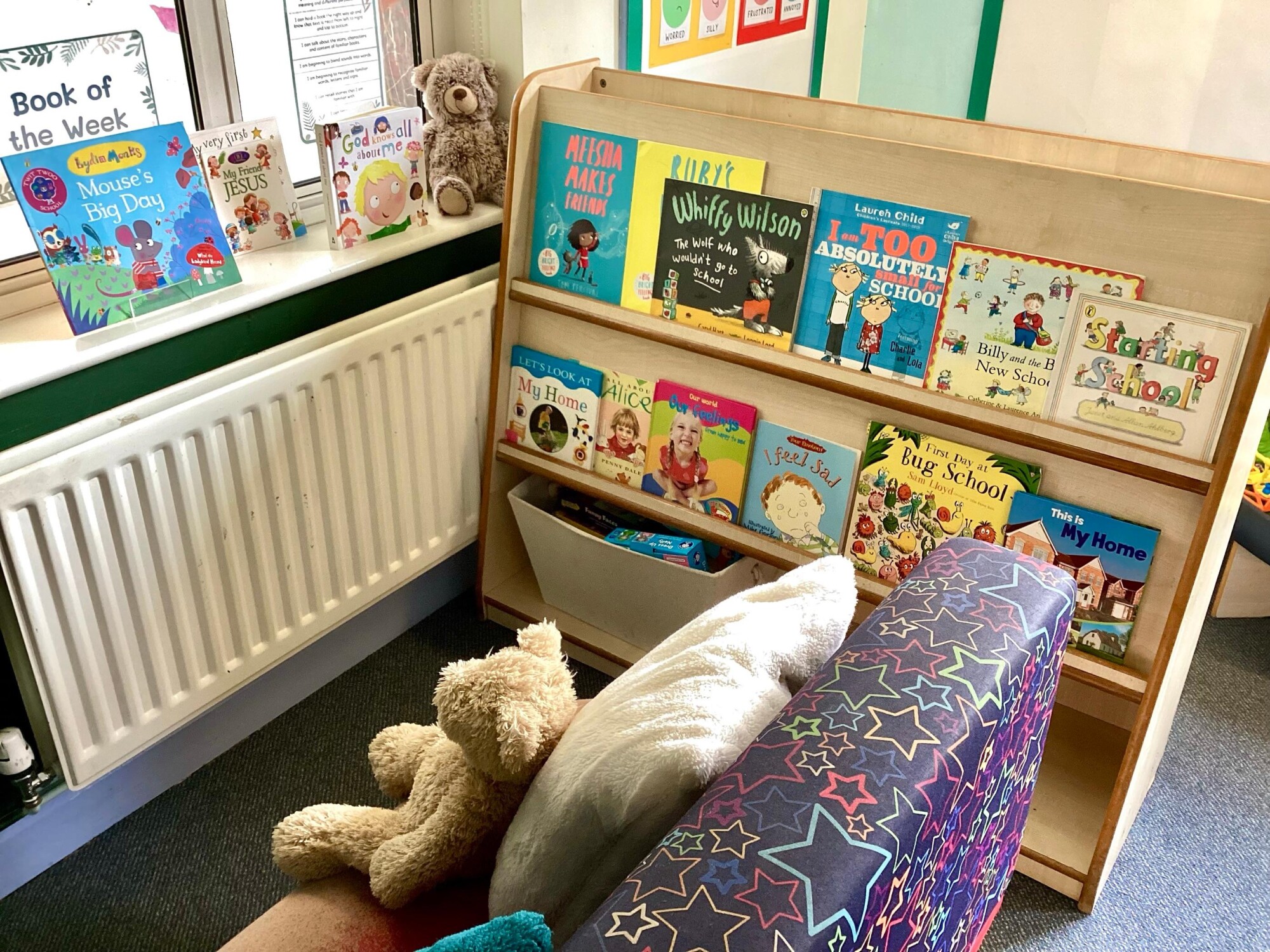
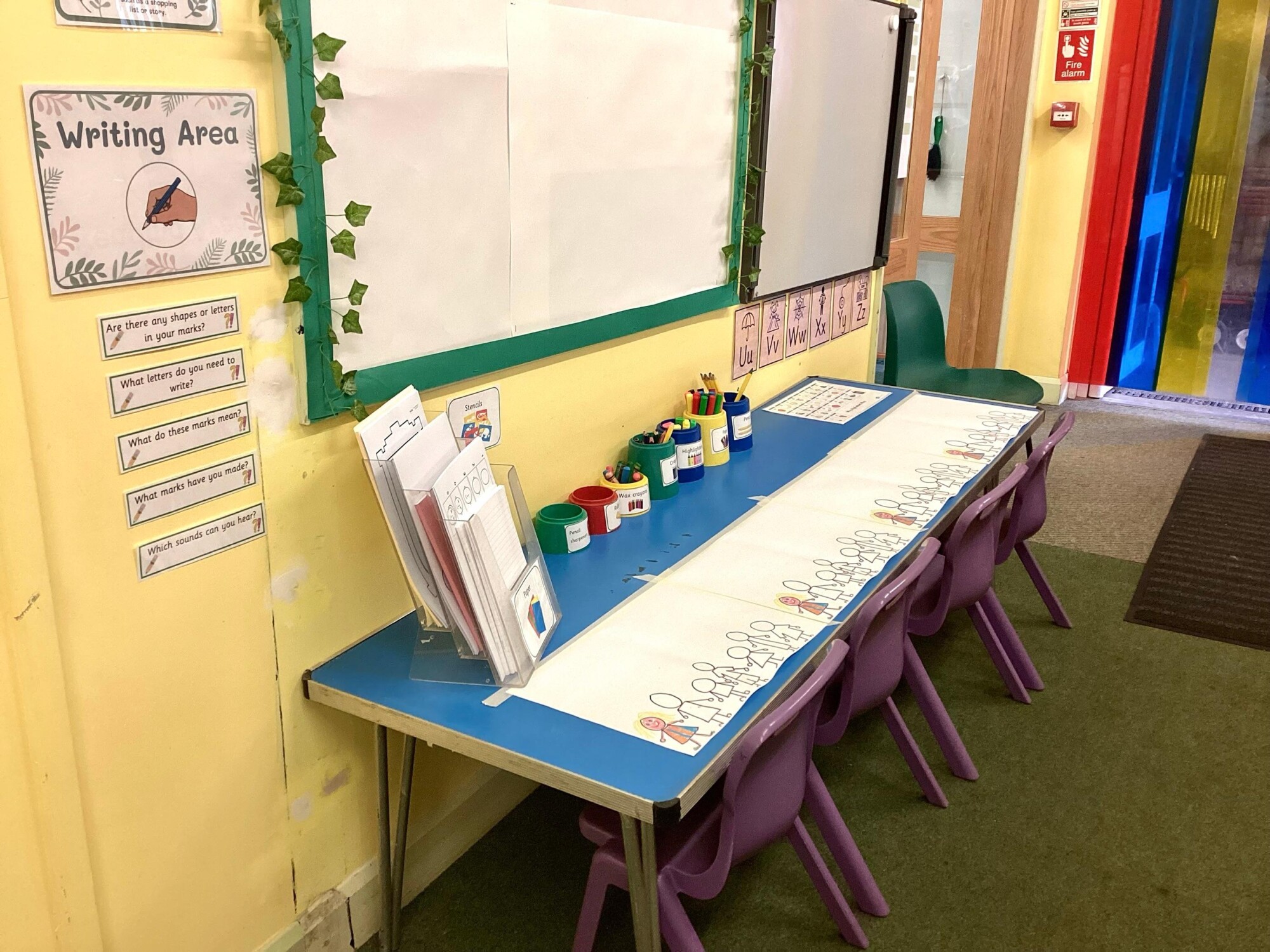
We place children’s happiness and enjoyment at the heart of everything we do. Our carefully designed, safe environments encourage exploration and help children build confidence as they learn and grow.
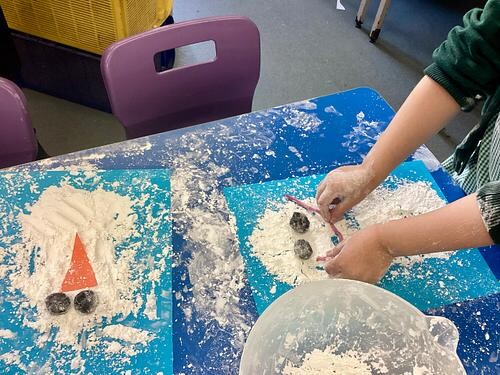
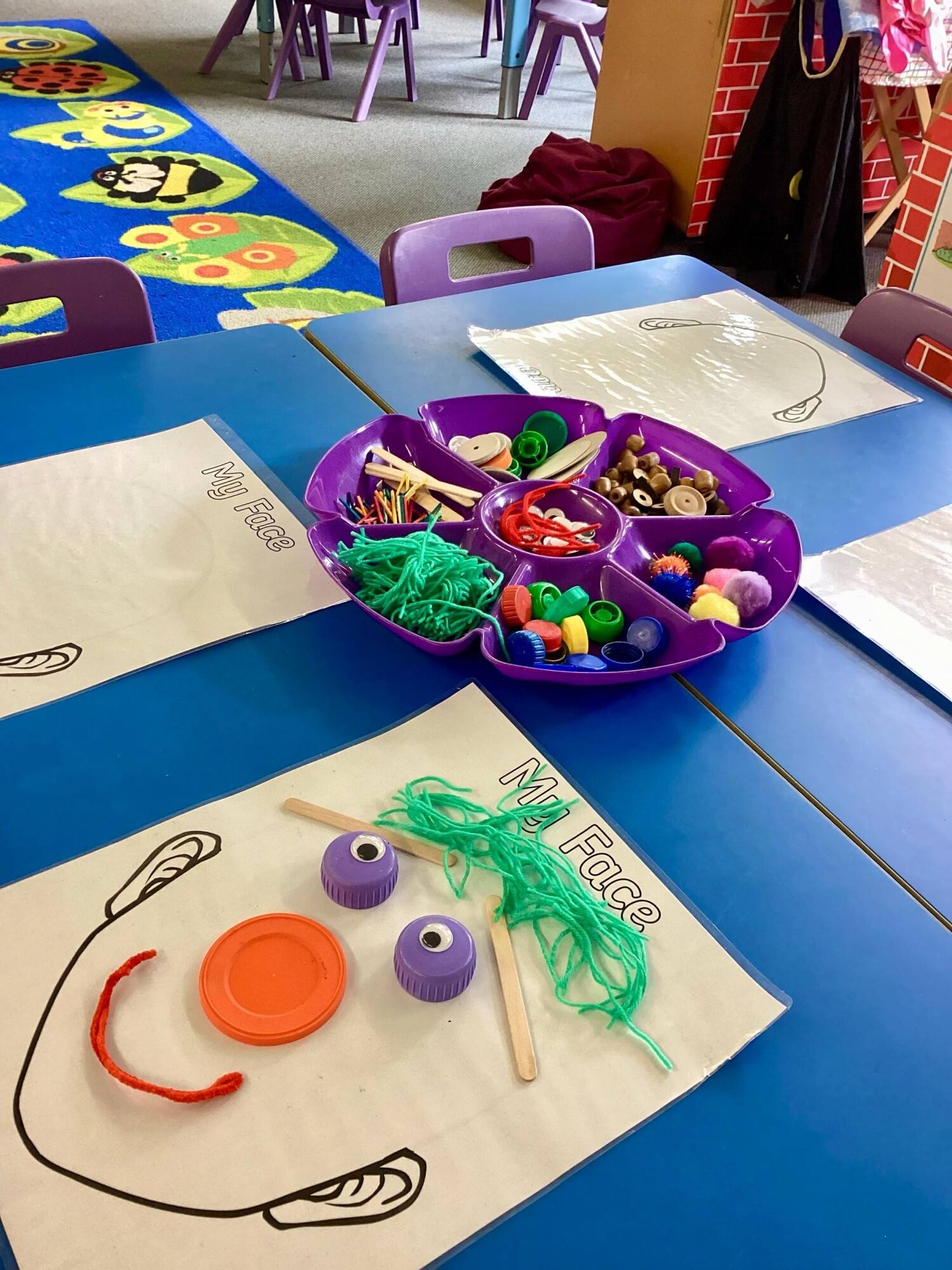
Our approach combines adult-led, adult-supported, and child-initiated activities, with each form of learning valued equally. This ensures every child receives the guidance and support they need while also fostering independence and creativity.
Where possible, we build connections with the wider community and establish partnerships with other settings and individuals. Encouraging children to make positive contributions from a young age helps to embed important values that will guide them throughout life.
Phonics
Phonics is a way of teaching children how to read and write. It helps children hear, identify and use different sounds that distinguish one word from another. Written language can be compared to a code, so knowing the sounds of individual letters and how those letters sound when they’re combined will help children decode words as they read. Understanding phonics will also help children know which letters to use when they are writing words.
Phonics involves matching the sounds of spoken English with individual letters or groups of letters. For example, the sound k can be spelled as c, k or ck. Teaching children to blend the sounds of letters together helps them decode unfamiliar or unknown words by sounding them out. For example, when a child is taught the sounds for the letters t, p, a and s, they can start to build up the words: “tap”, “taps”, “pat”, “pats” and “sat”.
The correct terminology is;
Phoneme – The smallest unit of sound. Phonemes can be put together to make words.
Grapheme – A way of writing down a phoneme. Graphemes can be made up from 1 letter e.g. p, 2 letters e.g. sh, 3 letters e.g. tch or 4 letters e.g ough.
In our FS2 class, phonics is taught daily using the Little Wandle program. Every Monday the new sounds of the week and tricky words are added to the yellow phonics books, so that our children have the opportunity to practise the learnt sounds at home.
Reading
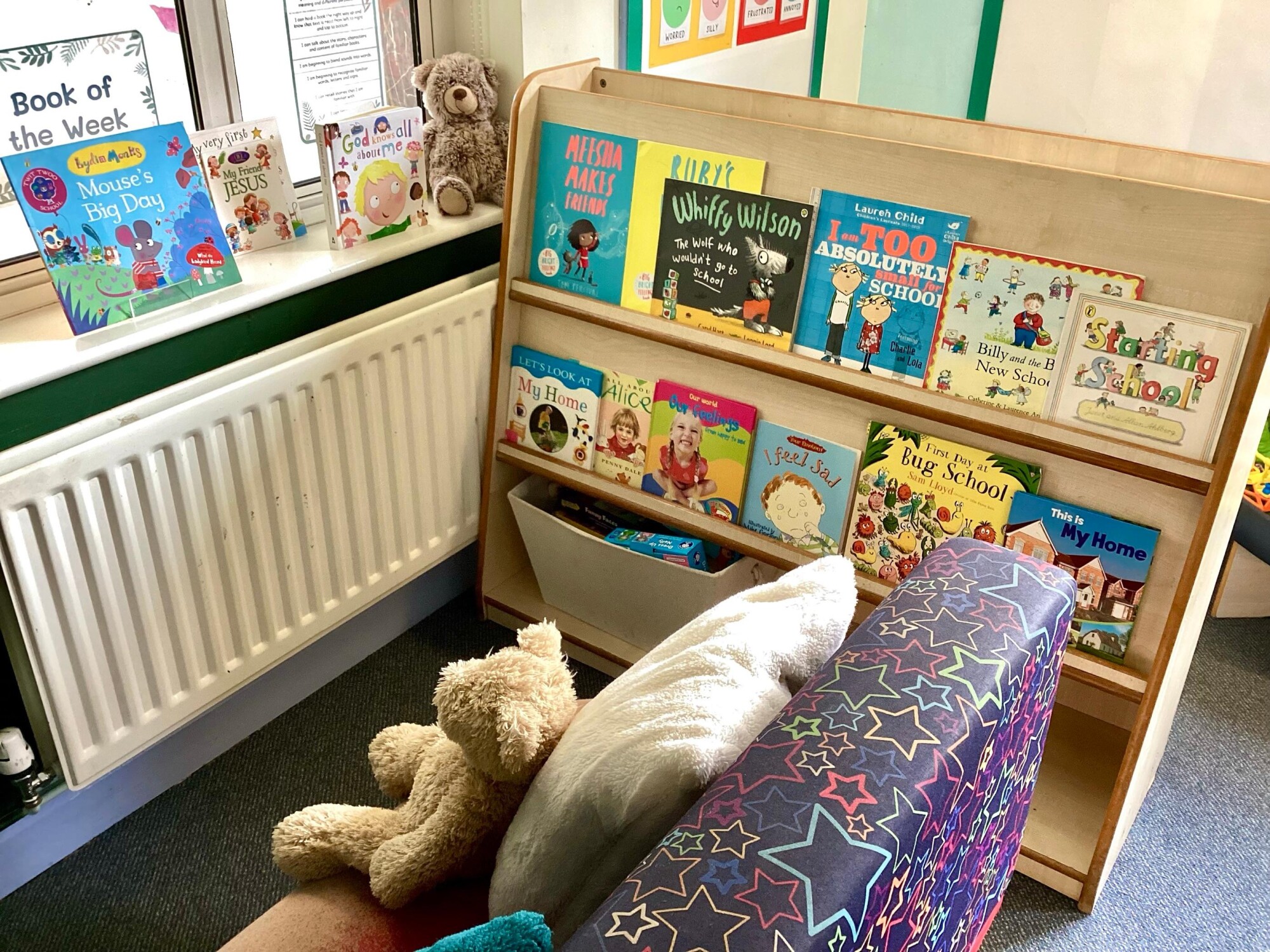
Books are carefully matched to the sounds children are learning. Reading journeys begin with wordless picture books, allowing children to develop early comprehension skills and confidence before focusing on decoding words.
Each week, children will take home two books. One book will closely match their current phonics knowledge, giving them the opportunity to practise and apply the sounds they have learned. The second book is a book for pleasure, designed to be shared and enjoyed together at home.
To support fluency and confidence, it is recommended that each book is read four times. For this reason, daily reading at home is encouraged. Reading also takes place in school at least three times a week.
Daily Routine
Here’s an example of the Reception Class routine. It may change from time to time depending on what’s happening in school, but it should give you a good idea of what a typical day in Reception looks like.
Morning Task - handwriting
Registration
Literacy (Reading/writing focus activities and Targeted Provision)
Story time with snack
Maths/Number Club (Maths focus activities and Targeted Provision)
Phonics
Lunch
Circle time – afternoon focus
Afternoon Focus (UTW, RE, Expressive Arts, PSHE, PE)
Story Time/Rhyme Time
Home Time
Exploring the Outdoors at TASS
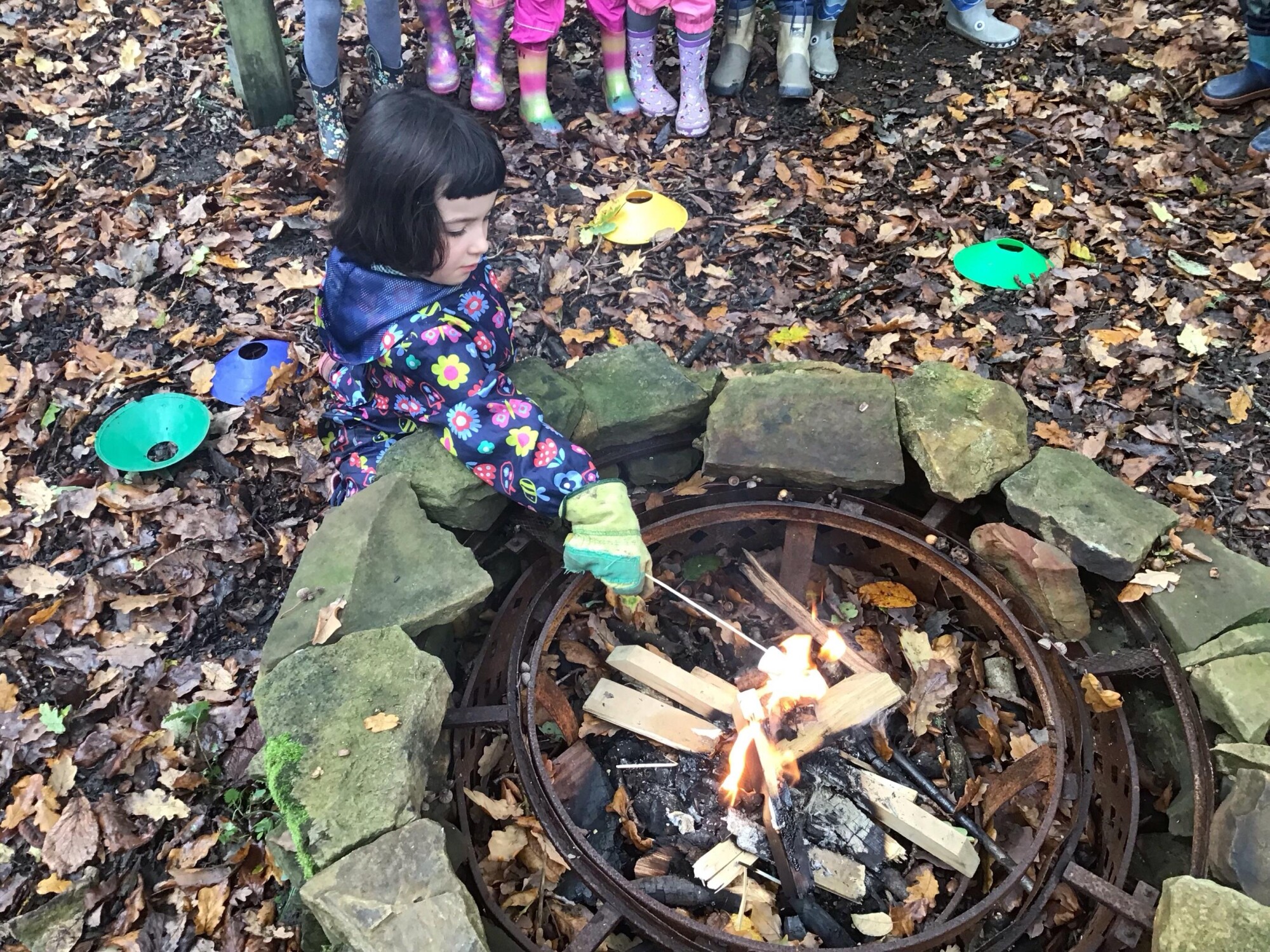
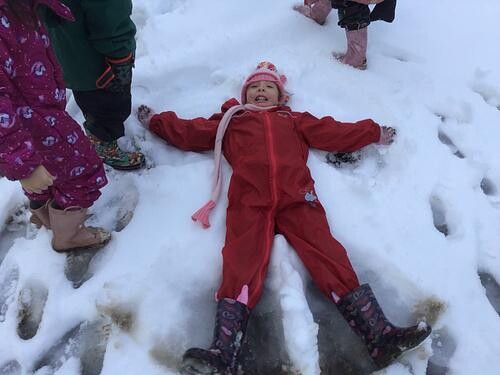
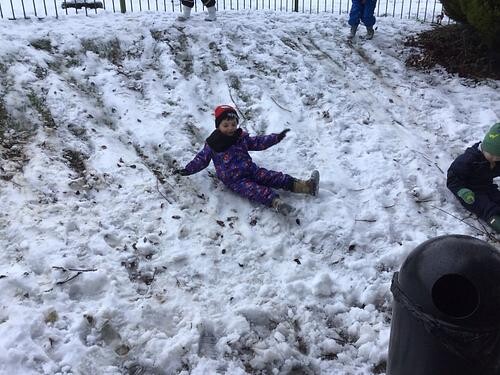
We absolutely love learning outdoors at TASS! Our amazing woodland area, complete with a pond and campfire, gives children unforgettable experiences that bring learning to life.
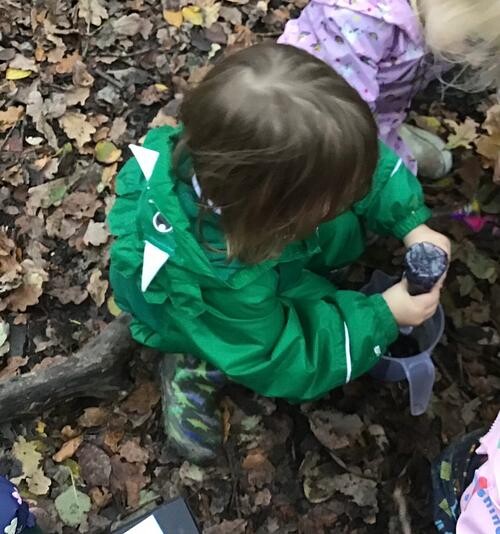
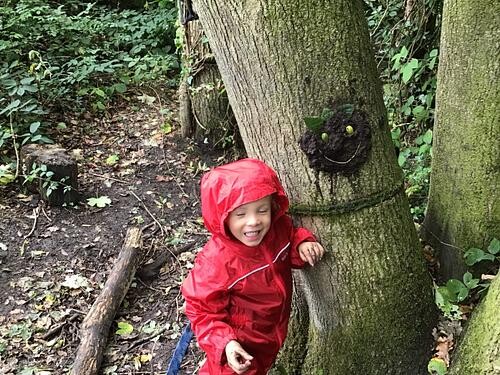
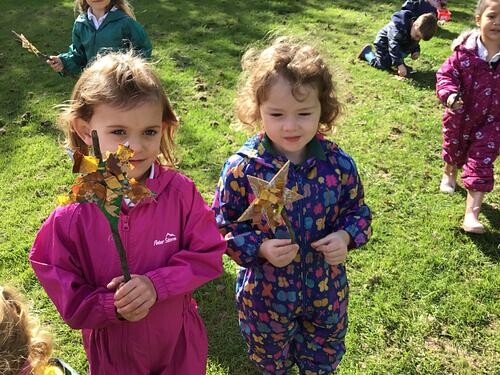
In EYFS, children enjoy a weekly woodland session where they can explore, create, and discover in nature. These sessions link to our learning themes and help children to:
Appreciate and learn about the natural world
Care for and respect their local environment
Use the woodland as inspiration for art, design, and creative play
Work together, follow rules, and develop teamwork skills
Handle tools safely and learn to cook around the campfire
Our woodland sessions are full of fun, curiosity, and hands-on learning —sparking children’s imagination and giving them experiences they’ll remember for years to come.